 English
 srpski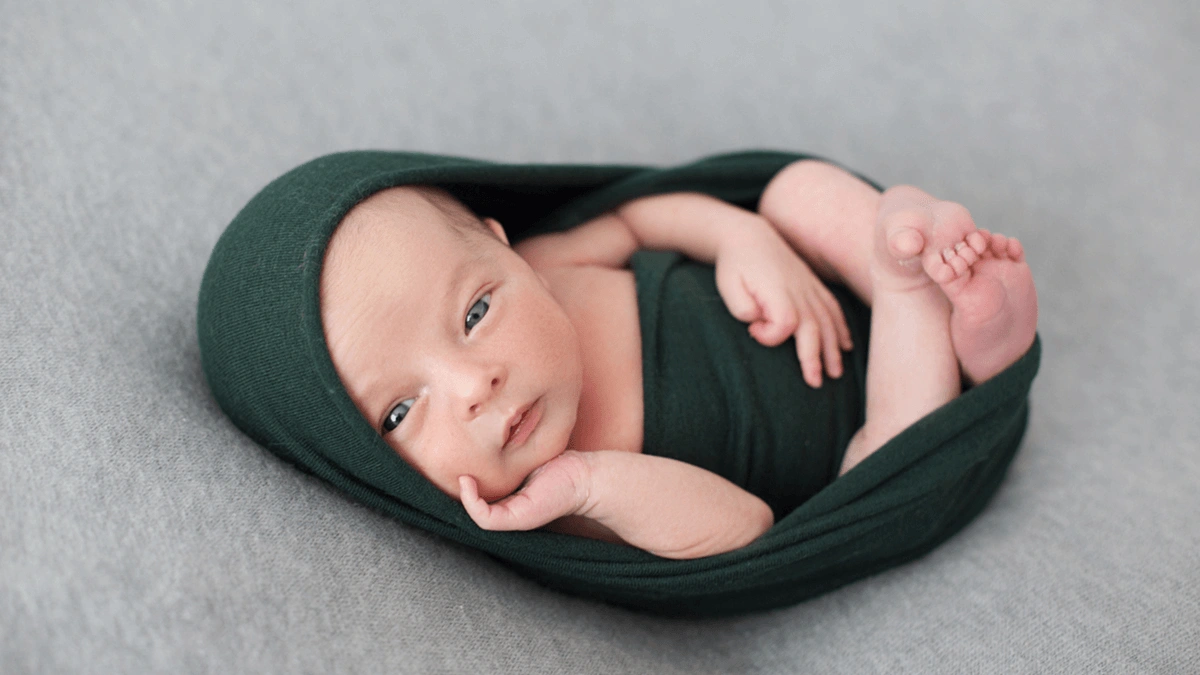
The birth of a child is one of the most sacred and joyous moments in the life of any family. In Islamic tradition, this moment is further enriched by the custom of ‘aqiqah (Arabic: العقيقة) – a ritual that carries deep spiritual, humanitarian, and communal symbolism.
Through ‘aqiqah, gratitude to God is not only expressed for the gift of a child, but the child is also symbolically welcomed into the community through acts of love, giving, and care for others.
When is ‘Aqiqah performed?
It is recommended that ‘aqiqah be performed on the seventh day after the child’s birth. If that is not possible, it may be done later – on the 14th or 21st day, or at any time the family is able to do so. However, the seventh day is the most emphasized in the hadiths (sayings of the Prophet).
What does ‘Aqiqah involve?
1. Animal Sacrifice
Traditionally, two sheep or goats are sacrificed for a boy, and one for a girl.
The meat is divided into three parts – one for the family, one for relatives and friends, and the third for the poor. This practice expresses gratitude to God, strengthens community bonds, and provides help to those in need.
2. Shaving the Baby’s Head
On this day, the baby’s head is shaved – symbolically, as a sign of a new beginning and purity.
The weight of the shaved hair is measured and then given in gold (or its equivalent value) as charity (sadaqah) to the poor. This gesture unites the spiritual and material aspects of gratitude and solidarity.
3. Naming the Child
It is customary to officially name the child on this day. Islamic tradition encourages the giving of meaningful, beautiful names – often those borne by prophets, companions of the Prophet (sahabah), or righteous people.
Why is ‘Aqiqah important?
‘Aqiqah is not merely a ritual – it is an act of thankfulness to God for the gift of a child, and an act of welcoming the child into the community through love, generosity, and helping others. Through a hadith of the Prophet Muhammad, we learn:
“Every child is in pledge for his ‘aqiqah. On the seventh day, the animal is sacrificed for him, his head is shaved, and he is given a name.”
(Hadith – Tirmidhi, Abu Dawood)
In many Muslim communities, it is customary for family and friends to gift the baby gold bracelets, necklaces, or coins – as a sign of blessing and love. These gifts often remain in the family as keepsakes and a trust for the future.
‘Aqiqah is a beautiful, emotional, and symbolic moment in the life of a Muslim family – filled with gratitude, joy, unity, and spiritual peace.